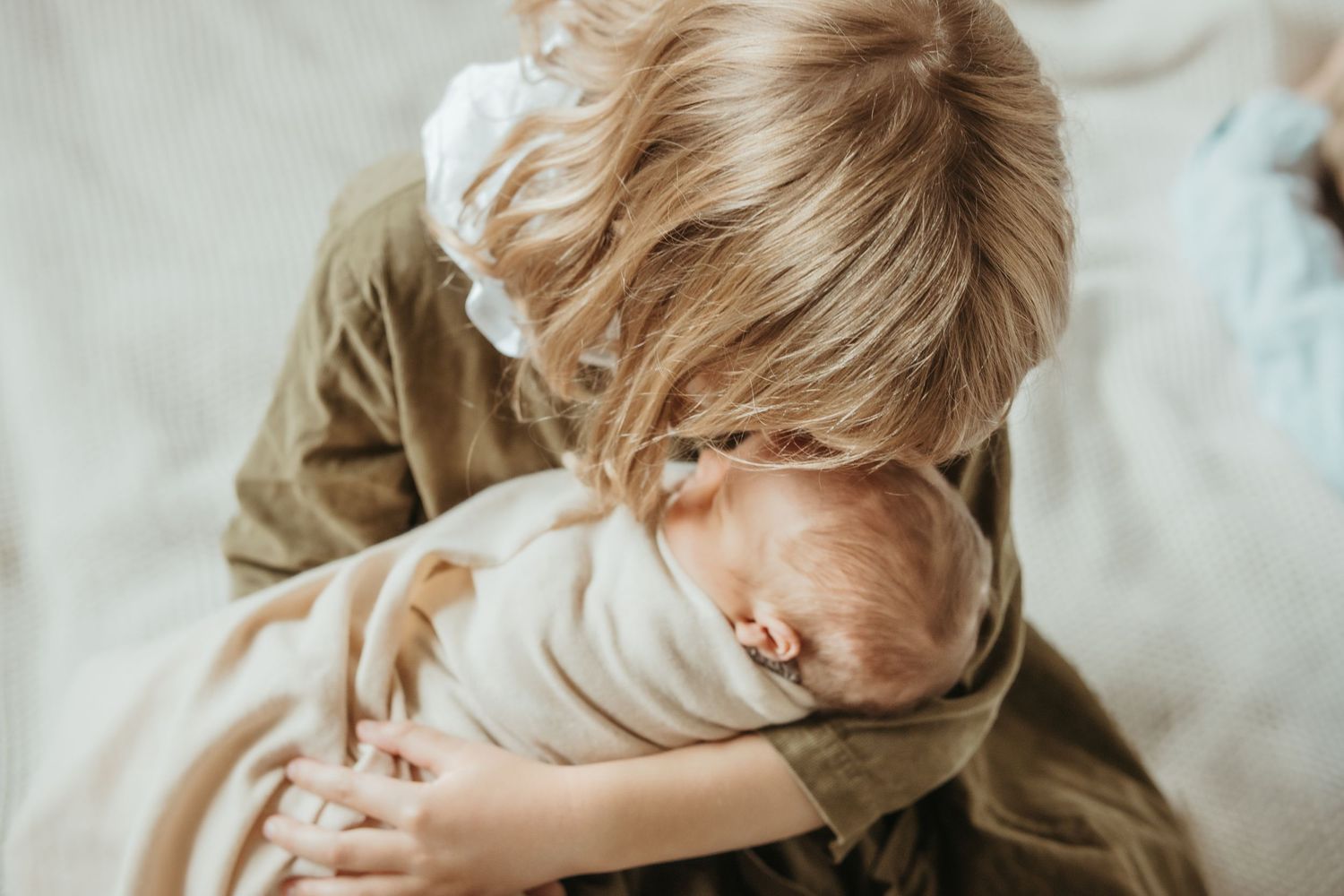
postpartum doula in Iceland
Are you feeling overwhelmed by the prospect of navigating life after giving birth? If so, you’re not alone!
Today I’ve got the inside scoop on a fantastic service that can make a world of difference in your postpartum journey: postpartum doulas!
These incredible professionals are here to support, educate, and nurture you during those crucial first weeks with your newborn. Reykjavik Postpartum Doula Guðrún Björnsdóttir (doula.is) is sharing all about the postpartum experience and her tips for a smooth transition to life with a new baby!
A personal thank you to Guðrún, who generously took the time to answer all my questions. I truly believe that, at the right time and in the right space, a postpartum doula can be life changing and honestly, would’ve helped me survive those first weeks of motherhood with a lot less guilt. Guðrún is such a sweet soul, clearly in the right place with her heart.
Below some answers from Guðrún, I’ve added a few of my own reflections, just little bits from my experience as a doula, a mother, and a photographer who’s often been invited into early days of parenthood.
What is a postpartum doula and how do they differ from a birth doula?
A postpartum doula provides support to families after the baby is born, typically helping with the adjustment to life with a newborn. Their role is to offer emotional support, practical help with baby care (like soothing techniques, diapering, and feeding), guidance with postpartum recovery for the mother, and help with household tasks such as meal prep or light cleaning. They also provide a listening ear, helping new parents navigate the emotional and physical challenges of the postpartum period. The main difference lies in timing and focus: a birth doula supports during labor and delivery, while a postpartum doula helps families adjust after the baby arrives. Most families hire me for full doula support, that is, support during pregnancy, birth and postpartum.
Here in Iceland most doulas don't specialize in birth or postpartum but support the families throughout the childbearing process.
I haven’t worked as a postpartum doula often, but I’ve visited many new families as a newborn in-home photographer. And honestly? I see so clearly how sometimes midwife visits are just not enough. That’s why, during those sessions, I also offer support beyond the camera, like talking through breastfeeding struggles or reassuring a new mom that it’s totally okay if baby wants to feed every 30 minutes. I gently check in and remind them that they’re doing great- even if their baby “isn’t cooperating” for photos. Because sometimes what parents really need is someone to normalize what they’re going through.
What inspired you to become a postpartum doula?
I have a deep passion for supporting new families during such a transformative and challenging time. The postpartum period can be tough and overwhelming, so I am drawn to this role because I want to help new parents feel supported, understood, and confident as they navigate this new phase. Additionally, having a background in caring for others and personal experience of receiving or wanting support after childbirth motivated me to become a postpartum doula. It’s a role that combines practical skills with emotional care, which can be incredibly rewarding.
What kind of training and certifications do you have as a postpartum doula?
I studied to become a doula with Hönd í hönd doula and graduated in 2020.
How do you personalize your services to meet the unique needs of each family?
As a postpartum doula, personalization is key to providing meaningful and effective support for each family. I have gotten to know the family beforehand and in the pregnancy we have a conversation so I can understand the family's specific concerns, preferences, and dynamics. We talk about birth experiences, recovery needs, feeding preferences, sleep goals, communication between the couple, cultural practices, and any special considerations. I offer daytime support, overnight care, or short-term vs. long-term assistance, whatever the family needs.
Yes to all of this. I truly believe each family needs something different. Some moms need help understanding their baby, while others need space to talk about their birth, their recovery, or even just cry and exhale. Sometimes it’s not about the baby at all!! It’s about the mom’s emotional exhaustion or the partner not knowing how to help. Not all of us have family or a village anymore... and that's where a postpartum doula can really step in. She walks into your space, sees exactly what's needed right now without judgment and meets you right there.
How do you support new mothers who are struggling with breastfeeding or bottle-feeding?
Supporting new mothers with feeding, whether breastfeeding, bottle-feeding, or combination feeding, requires a compassionate and personalized approach. I can help with proper latch techniques and positioning (cradle hold, football hold, laid-back nursing, etc.). I can help with identify common issues like nipple pain, poor latch, or low milk supply and suggest solutions. Provide reassurance and encouragement, reminding mothers that learning to breastfeed TAKES TIME, sleep and nourishment. With bottle feeding I help parents select bottles and nipples that work best for their baby’s needs. I discuss with parents safe formula preparation and storage and how they can use responsive feeding cues to avoid under- or overfeeding. I also think it is important to encourage bonding during feeding,
whether breastfeeding or bottle-feeding.
If needed I guide families in the right direction for further consultation.
Above all, my goal is to make feeding a stress-free experience and help mothers feel confident in their choices.
Being a mom myself, I’ll never forget how emotional and overwhelming those early feeding days can be. What really helps? Someone calm, kind, and patient who just gets it. Who won’t judge you if you say “you know what, breastfeeding isn’t for me,” or if you’re trying to switch from bottle back to breast. A good doula will listen and gently guide you - or help you find the right person who can. Sometimes, just knowing who to ask is a form of support too.
What are some common emotional challenges faced by new parents, and how do you help them cope?
Common emotional challenges faced by new parents can be postpartum Baby Blues (Experienced by up to 80% of new mothers), the symptoms can be mood swings, tearfulness, anxiety, and feeling overwhelmed. Usually it peaks a few days postpartum and resolves within two weeks. Some parents experience postpartum depression & anxiety (PPD/PPA). The symptoms can be persistent sadness, hopelessness, excessive worry, panic attacks, or difficulty bonding with the baby. I can help identify the symptoms and guide parents in the right direction for professional support if symptoms persist.
Having a new baby can also affect the relationship between the couple. What I do to help families is to create a safe space to express emotions without judgment and normalize feelings and remind them they’re not alone. I encourage Rest & Self-Care and help with baby care so parents can nap, shower, or have alone time. I suggest simple self-care practices, like stepping outside or deep breathing.
The moment a mom hears “you’re not alone” or “this is hard,” you can feel the weight lift a little. I’ve seen it happen. Even saying it out loud changes the atmosphere in the room. Motherhood is beautiful, but it’s also messy, confusing, and exhausting. And if you’ve been through fertility struggles or loss before, that emotional load doesn’t disappear just because your rainbow baby is here. Many moms wake up at night just to check if their baby is breathing. That is anxiety. And postpartum doulas are often the first people who see it and validate it.
How do you handle situations where a new parent is struggling with postpartum depression or anxiety?
When a new parent is struggling with postpartum depression (PPD) or anxiety
(PPA), my role as a postpartum doula is to provide emotional support, practical
assistance, and resources while encouraging them to seek professional help if
needed. For me to do that I need to recognize the signs, since baby blues are
common in the first two weeks postpartum, I watch for signs that go beyond
normal emotional fluctuations.
Are you trained to recognize signs of postpartum mood disorders and recommend appropriate support?
Yes, as a postpartum doula, I am trained to recognize the signs of postpartum
mood and anxiety disorders (PMADs), including postpartum depression (PPD),
postpartum anxiety (PPA). While I am not a medical professional, my role is to
identify potential concerns, provide emotional support, and connect families
with appropriate professional resources.
How do you help parents maintain a strong bond and open communication during the postpartum period?
Maintaining a strong bond and open communication during the postpartum
period is crucial for parents as they navigate exhaustion, new roles, and
emotional changes. I encourage couples to have a conversation, preferably
before the baby is born to have some kind of a plan of daily check-Ins,
normalizing emotional changes and prioritizing self care and sleep so they can
show up for each other.
My goal is to help parents feel supported, heard, and
connected so they can thrive together.
Even when the house is a mess and no one has slept, love still lives there. You just need to protect it. It helps to remember that “roommate problems” (like laundry or dishes) aren’t “relationship problems.” And sometimes, yep, you gotta schedule connection - intimacy, date nights, even moments to just breathe together. Everyone’s adjusting and little tired. But the love that brought this baby into the world still matters and it deserves space too.
Gentle support for the rawest days. Learn more about how a postpartum doula can help you recover, bond and breathe again after birth. Click to read.