When you decide to take a birth class, you’re probably like most and you hop online to see what’s out there…
And BOOM, it's information overload. Epidurals, birthing balls, water births...the list goes on.
Trust me, I get it.
You're excited but also just a tad overwhelmed.
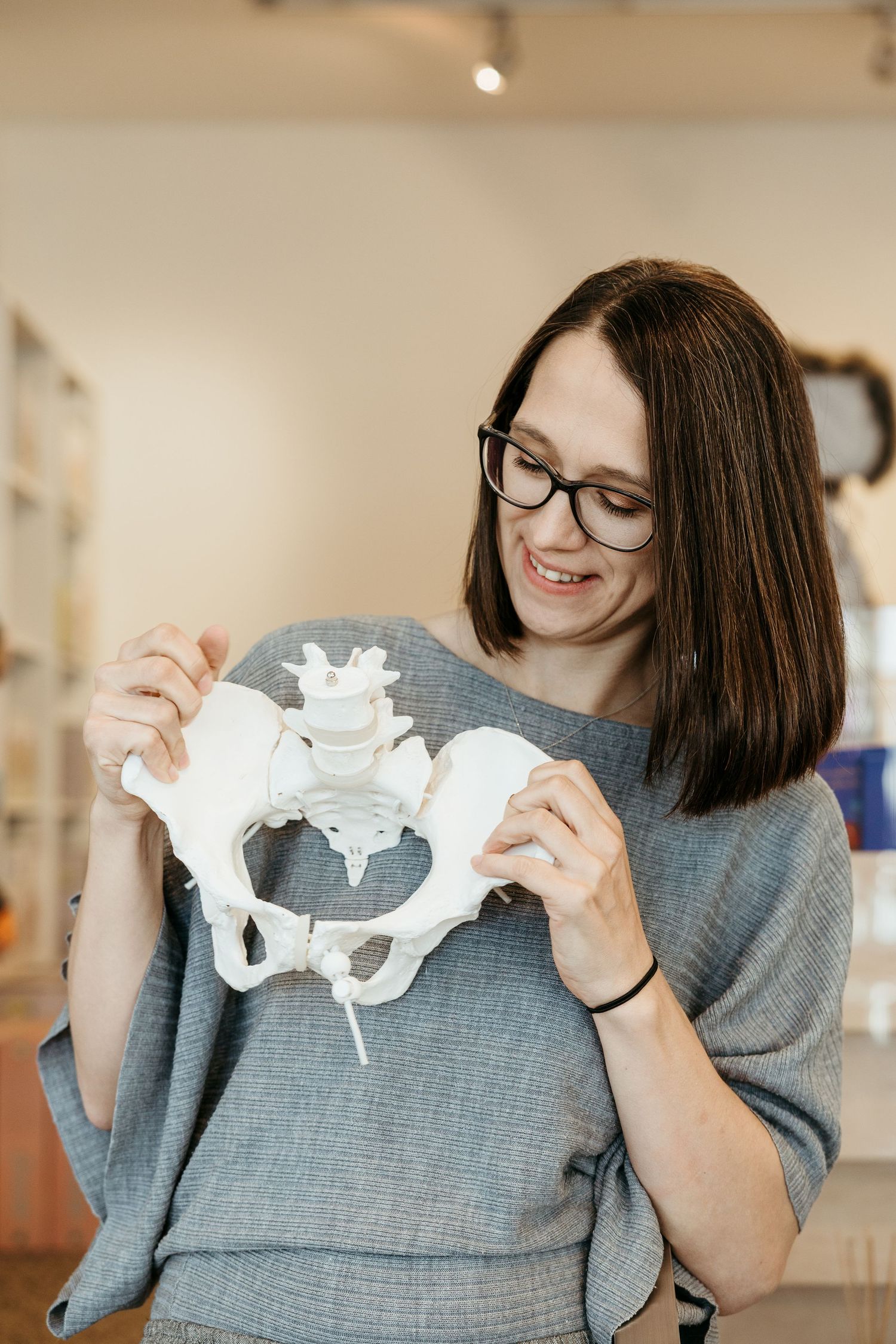
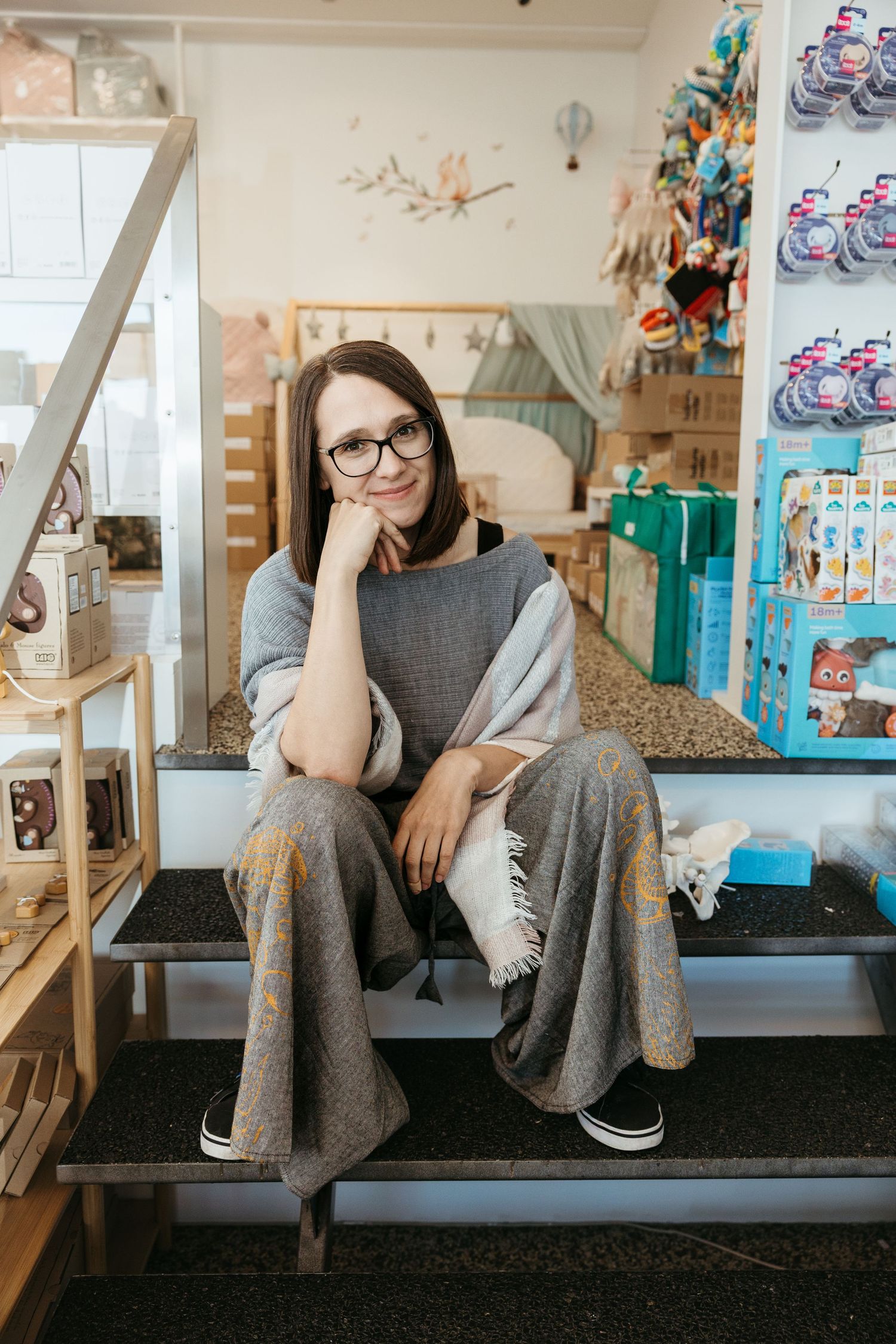
But don’t you worry. I've snagged a chat with a top-notch birth class instructor who’s seen it all and can help us make sense of this birth class business. We’re gonna get down to the nitty-gritty of picking the right birth class, so you can stop stressing and start feeling empowered. Ready to dive in with Paulina Kołtan-Janowska?
Can you tell us a little about your journey and how you became a birth class instructor?
My journey and interest in childbirth only began in 2017 after my first birth, ironically, the one I hadn’t prepared for at all. I thought that since women have always given birth, I didn’t need any preparation
myself. But I was so wrong! That experience completely changed the way I look at birth.
In my work and on social media, I put a strong emphasis on showing why birth preparation is so important and raising awareness that prenatal education should be a priority. A baby truly doesn’t need all the toys in the world right from the start, there will be plenty of time for that. What the baby, just like the mother, really needs and deserves at the very beginning is a positive birth experience.
I truly couldn’t agree more. As a doula working individually with parents to be, I see how powerful even basic preparation can be. Understanding what is happening in your body, what your baby is going through, why movement matters, how hormones work - this knowledge changes everything. It brings calm. It brings confidence. It creates trust in the process. And she’s absolutely right , babies don’t need much in the beginning. They need their parents. They need skin to skin contact. They need a mother who feels supported and safe.
Something we don’t speak about often enough is how deeply a birth experience can affect the bond afterward. Sometimes, when birth feels traumatic or overwhelming, a mother may struggle, even subconsciously, with feelings she doesn’t understand. And more often than not, it comes down to lack of preparation. Preparation doesn’t guarantee a “perfect” birth. But it changes how you experience it. And that makes all the difference.
So how did it all begin?
First, I became a doula, and later a childbirth education instructor. I’ve always loved teaching and sharing knowledge, it comes naturally to me. I started out by supporting couples as a doula and educating them as part of their birth package. Then came one-on-one consultations, followed by my first workshops. Eventually, midwives from a birth center Fæðingarheimili Reykjavíkur invited me to collaborate, and for the past few years I’ve been leading group childbirth preparation classes for Polish families.
It’s pretty amazing that something like this exists in Iceland. Having childbirth classes available in Polish for the Polish community is incredibly valuable. Navigating pregnancy and birth in a foreign country can feel overwhelming, especially when language becomes a barrier. To have someone like Paulina, who understands both the system here and the cultural background of Polish families, is a real privilege.
For those unfamiliar with birth classes, what is the most important reason to attend one?
For me, the most important reason to take part in these kind of classes is the change in how you perceive birth. Birth is not just an event you go through and then forget. It can be a beautiful, empowering, and transformative experience. But to increase the chances of having a positive birth, preparation really matters - learning about your options, understanding what will be happening with your body, what is normal, what to expect, and exploring different pain relief methods. And most importantly, what kind of birth you want to experience? Because it’s your birth . Many women aren’t aware of all the birth options available to them, and it’s often through courses or classes that they realize they actually have choices I especially focus on preparing couples with a foreign background. When you live abroad, preparing for birth takes on a different level. The language barrier often makes it harder to access reliable information. That’s why my classes are also about showing families what options and
opportunities Iceland provides, what rights they have, and what they can expect in the hospital. Birth preparation is truly a process - one that lasts throughout the entire pregnancy. These classes are not just about knowledge, but also about easing fears and learning how to face them. I often receive feedback from couples that their stress around birth has decreased after our meetings - all thanks to knowledge!
And I really stand behind that. One thing I’ve learned, not just in birth, but in life, is that if you don’t have information, you don’t really have options. Because you don’t even know they exist.
I’ve seen this with my own clients. Women who didn’t know they could say no. Women who didn’t know they could have preferences. Women who didn’t know you can still move with an epidural. It sounds simple, but it changes everything. Midwives here do an incredible job, truly. I see how much they care, how they encourage movement, how they support women even during the busiest shifts. But birth works best when everyone understands why things matter. When the woman knows why movement is important. When she understands what her body is doing. When she knows how the system works and what protocols look like here in Iceland, which can be very different from Poland or other countries. When you understand, you feel calmer. You don’t feel lost. And that changes the entire experience.
That’s why these classes matter, especially for families living abroad. It’s not just preparation. It’s confidence.
How early in their pregnancy should someone consider taking a birth class, and why?
I usually recommend joining between the 20th and 32nd week of pregnancy. Of course, there are couples who join earlier or later, and there’s absolutely nothing wrong with that. But I find this timeframe to be the most beneficial. Around the 20th week you have the mid-pregnancy scan, which usually shows whether the pregnancy is progressing normally or if there are any complications. It helps to understand what kind of knowledge during the course will be most essential in your case. It’s also the stage when the belly usually starts to get bigger, which makes it easier to practice birth positions and imagine what’s ahead. I don’t recommend leaving preparation until the very last moment. Knowledge needs time to settle in, and I always encourage couples to continue practicing at home, breathing techniques, positions that support the baby’s optimal positioning, relaxation exercises, and so on. All of this takes time.
Of course, it’s still better to attend classes at 38 weeks than not at all. But if you have the chance, don’t wait until the very end give yourself the time to prepare.
Yeah, preparation isn’t something you absorb in one evening. Some things you need to sleep on. Some things you need to repeat, and some things you need to practice.
The same goes for contacting a doula. Technically, you can reach out the moment you see two lines on the test. But most actual meetings and planning usually happen around this mid-pregnancy stage, after the anatomy scan, when things feel more settled and clearer.
How are your classes structured? Are they one-on-one or group classes?
I offer both group and individual sessions. The group classes follow a weekend hybrid format. On the first day, we meet online and go through the theory related to birth. The second day is held in Reykjavík and focuses on practice, we explore different pain relief methods, work with breathing techniques, and practice birth positions together. You might be surprised, but many couples actually find this hybrid
approach really valuable. Why? Because birth is still quite an intimate topic. Starting online allows everyone to ease into the group dynamic, process their first questions and fears in the comfort of their own
home, and feel more at ease. By the time we meet in person the next day, participants are usually more open, more ready to engage, and more comfortable asking questions.
Individual classes look a bit different. The program is tailored specifically to the needs of each couple. I usually work one-on-one with parents preparing for a second or third birth. They already know what
matters most to them, where they’d like to focus, and what areas need extra attention. Besides in-person preparation, I also offer online options, both a self-paced course on a platform (only available in polish) and live consultations. This is especially helpful for families who live in different parts of Iceland and may not be able to attend the classes in person.
How is your class and method different than other methods?
What really sets my classes apart is the focus on culturally sensitive education. And what does that mean? It’s actually the missing piece of support that many people don’t even realize is important.
When preparing for birth, the cultural aspect and the environment we come from play a huge role. Our upbringing, our culture, and our nationality shape our beliefs and needs around birth. That’s why
sometimes it can be difficult to fully connect with a doctor or a midwife, it’s not just about the language barrier, but about cultural differences and the way maternity care systems are structured.
Since I mainly work with women of foreign backgrounds, one of the most important parts of my work is helping families navigate the Icelandic maternity care system and, most importantly, build trust in it.
Starting this year, I’ll also be introducing elements of Spinning Babies into the classes. Last year, while I was pregnant myself, I took part in Spinning Babies training and tested some of the techniques on my own body. I’m convinced that by including this method in my personal birth preparation, my labor went quickly and smoothly.
And this is exactly what makes her approach special. The class is specifically made for you , guys. It’s not just “another birth class.” She really looks at what women living in Iceland actually need, where here the gap is. Where confusion happens. Where cultural differences create stress. The protocols are different, the approach may be different, and the expectations may be different. Sometimes that’s where fear comes from, not because something necessarily is wrong, but because it’s unfamiliar. What I appreciate is that she explains those differences clearly, and prepares families specifically for giving birth here.
And Spinning Babies? It’s amazing. Many midwives here already use those techniques. So even if you don’t plan to actively use them, at least you know what they are. If a midwife suggests helping the baby rotate or using a rebozo, it won’t feel strange or scary.
How does your class cater to moms planning for a C-section vs. a natural birth?
In Iceland, the rate of cesarean sections is relatively low. That’s why my group classes are primarily focused on preparing for a natural birth. Of course, there is a part of the course where we talk about emergency cesarean sections because the truth is, none of us can predict exactly how birth will unfold. So we cover the topic what to do in case of emergency c-section so it might me still positive birth experience.
When it comes to preparing for a planned cesarean birth, I offer that kind of preparation in the form of one-on-one consultations or online sessions.
Could you share a success story from one of your past classes that stands out to you?
It might surprise you, but for me, the greatest success is when couples come back to me again. You might think that if they return, it means something was missing in their preparation for the previous birth.
Nothing could be further from the truth, if that were the case, they would have chosen someone else.
When a couple comes back for my class, it means their previous birth went well enough that they are willing to trust me again. It also shows that they believe birth can be a positive experience, while
understanding that every birth is different. And that preparing for the next birth is just as important. Often, this second preparation is completely different, more conscious, more focused on their own needs, and tailored to what they truly want this time. I always get emotional when I see a familiar name reaching out for another round of birth preparation. And year by year, there are more and more of these couples.
I also have to mention my own second birth in November 2024. It was an incredibly positive birth experience, which really confirmed for me that the knowledge and techniques I teach do help women have good birth experiences.
What advice would you give to someone who's on the fence about attending a birth class?
Your birth experience will stay with you for the rest of your life, and believe me – you do have an influence on whether you’ll remember it as empowering.
Well, research conducted by midwives from Fæðingarheimili Reykjavíkur also shows that perinatal outcomes for women of foreign origin giving birth in Iceland are poorer compared to Icelandic women. That’s why preparation is so important.
If you are interested to find more information about Paulina, and how to contact her, click here!
Click here to learn more about birth photography!